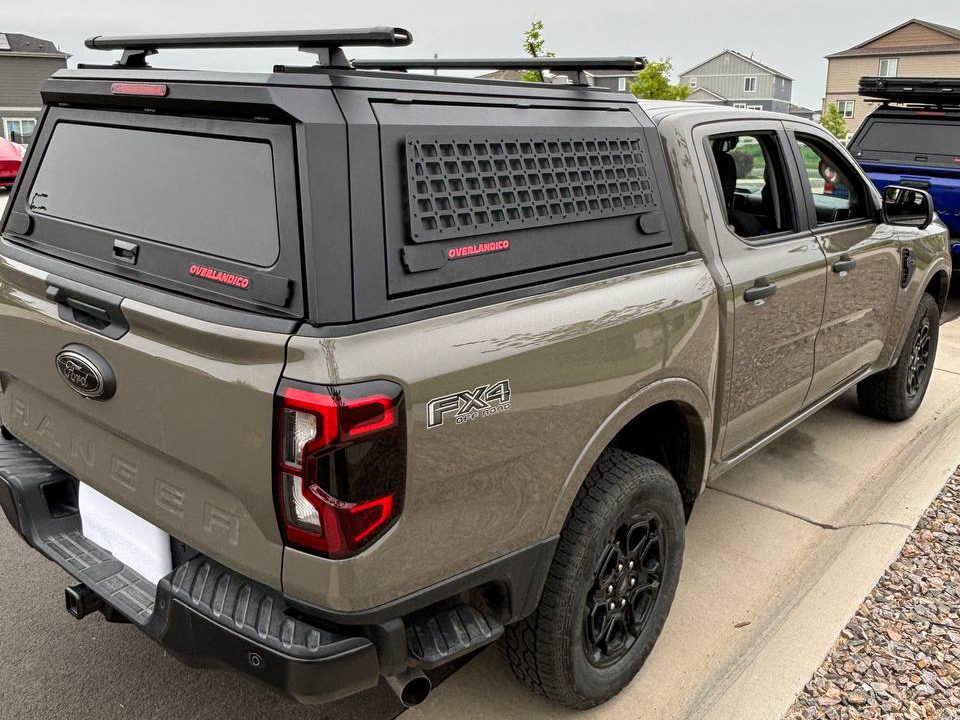
When people search for the best truck caps, they usually have a specific picture in mind: something that keeps gear dry, does not rattle loose on the highway, and still looks tight a few years in. Scroll through options for a best truck topper or best truck bed caps and most of them look pretty similar in photos. The differences that actually matter are mostly things a photo cannot show you. Here is what we look at when we judge whether a cap is genuinely good, without naming any particular brand.
The material has to survive Florida, not just look good
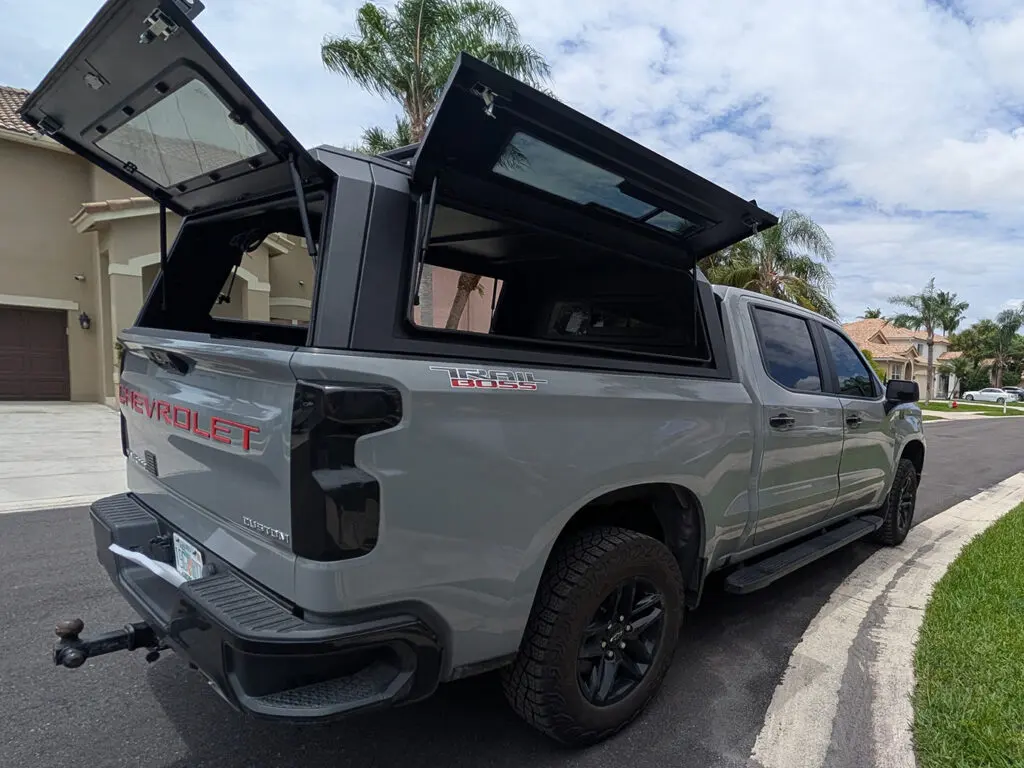
A cap that looks fine in a showroom can chalk, fade or pit after a summer of direct sun and salt air. We build with 2 mm anodized aluminum panels, reinforced and bolted together rather than a thin shell dropped over a frame. The anodized finish is what actually resists corrosion, which matters whether the truck sits near the coast or just gets washed with the same hose as everything else. If you want the longer version of aluminum against other common materials, we wrote up the tradeoffs in aluminum vs fiberglass truck caps.
Seals and locks that actually keep water and dust out
A cap is only as good as the parts that keep weather on the outside. That means a perimeter weather seal around doors and windows, not a strip of foam glued along one edge, and locks that hold up to being used every day instead of sticking after a few months. These are usually the first parts to fail on a cheap cap, sometimes within the first year of ownership. We go through how to keep seals, locks and glass in good shape over time in this field note.
How it mounts to the bed matters as much as what it is made of
Some caps look solid until you try to remove one, or until you find out the install drilled through the bed rails. We mount with a no-drill clamp system: the clamps hold the cap to the bed rails, nothing pierces the bed or the paint, and the whole cap can come off later if you need an open bed again. That also means the hold does not depend on sealant or adhesive wearing out down the road. There is more on how the clamps actually grip in this field note.
Fit for your exact truck and bed length, not a generic size
A truck bed cap that is almost the right size is worse than no cap at all. Gaps let water and dust in, a mismatched bed length means overhang or a cap that sits short, and generic fitment usually means the seals do not line up right either. Fit should be based on your truck's make, year and bed length, not a rough estimate. We cover why this is the detail that makes or breaks a cap in fitment is everything. You can check exact fit and current pricing for your truck through Shop by Vehicle, where you pick make, year and bed length.
What is actually backed by a warranty
Ask what is covered and for how long before buying anything. We back the shell and structure for 3 years and accessories for 1 year, and the full terms are on our warranty page. A warranty that only covers the paint, or runs out the day you drive off the lot, tells you something about how long the maker expects the cap to last.
Good truck caps and good truck toppers come down to the same handful of things: a material that holds up to real weather, seals and locks that work every day, a mounting system that does not damage the truck, a fit that matches your exact bed, and a warranty that actually means something. If you want to see what that looks like on your own truck, start at Shop by Vehicle, pick your make, year and bed length, and you will see current pricing and availability. A $99 deposit holds your spot in the next production batch, typical lead time runs 2 to 8 weeks, and pickup is free at our Hallandale Beach warehouse by appointment. Installation there starts from $80 and takes about an hour.