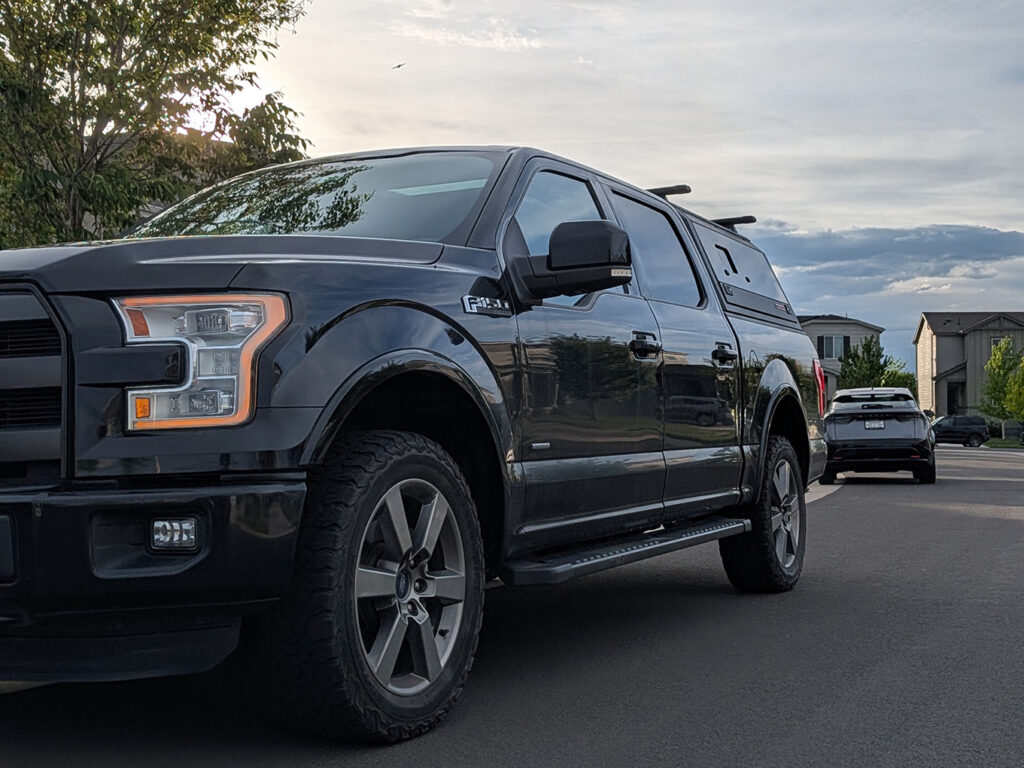
Do truck caps improve gas mileage? That is the question we hear more than almost any other at the counter, usually from someone who just put a cap on their truck and is watching the trip computer a little too closely. The honest answer is: it depends on how you drive, what you are hauling, and what the cap is replacing. Here is what actually happens with aerodynamics and fuel use, without us inventing a number to sell you something.
What a cap changes about your truck
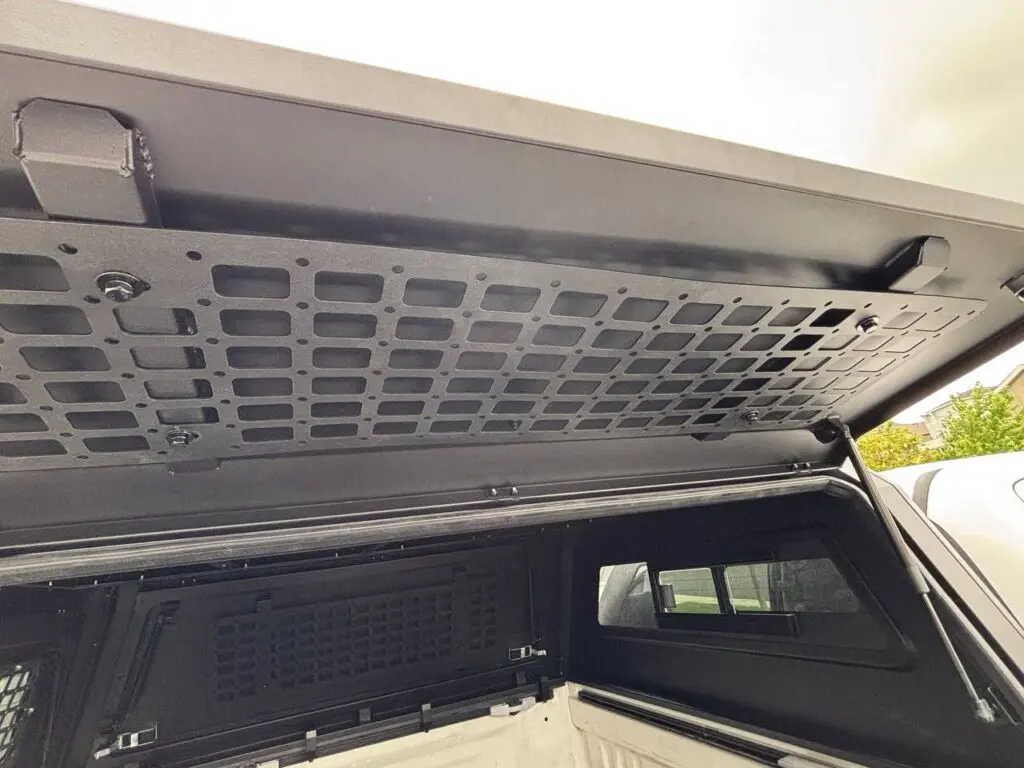
An open bed is not aerodynamically clean. Air drops into the bed behind the cab, tumbles around, and creates drag that your engine has to push through. A cap turns that open box into a closed, smoother shape that lets air move over the top instead of falling in. On the highway, at a steady speed, that can translate into a small real improvement for some trucks. It is not dramatic, and it will never show up as one fixed number, because every truck, cab height, and driving style behaves a little differently.
What a cap does not fix
A cap will not undo a lift kit, oversized tires, a roof rack loaded with gear, or a habit of driving fast into a headwind. Those things work against fuel economy a lot harder than an empty bed works for it. If your truck already has a rack, bigger tires, or a heavy foot, do not expect the cap by itself to move the needle much. Towing, stop and go city driving, and short trips barely touch aerodynamics at all, so a cap will not do much for your mileage there either.
Why material and fit matter more than people think
A cap that fits loose, whistles at speed, or sits crooked on the bed rails is fighting itself before it even has a chance to help. Weight matters too. A lighter cap asks less of the truck than a heavy one, which is part of why we build in aluminum instead of fiberglass. You can read more about that trade-off in our piece on aluminum vs fiberglass truck caps. Our Forge and Panoramic caps are both built from 2 mm anodized aluminum with bolt-together panels and perimeter seals, so the shape stays tight and the doors and windows do not leak air at highway speed.
How to check it on your own truck
Forget the marketing numbers, including ours. The only mileage number that matters is the one your own truck gives you. Before you install a cap, run a few tanks the normal way you drive and write down the miles per gallon from the pump or the trip computer. After the cap goes on, do the same thing again under similar conditions: same routes, same mix of highway and city, same load in the bed. Compare the two over a few fill-ups, not just one, because wind, temperature, and traffic swing the number more than the cap ever will. That is the only honest way to know what a cap is doing for your specific truck.
What you are really buying
If better mileage shows up, treat it as a bonus, not the reason to buy. The real case for a truck cap is a dry, locked, enclosed bed, and that is where our caps earn their keep. The Forge Series is built for utility and privacy with solid aluminum sides, and the Panoramic Series swaps those panels for glass when you want the view instead. Both use the same no-drill mounting, so nothing goes through your bed or paint. We cover the fuller case for owning one in are truck caps worth it.
So, does a truck cap improve gas mileage? On the highway, for some trucks, a little. In the city, while towing, or with a rack and oversized tires already working against you, probably not enough to notice. Either way, run your own before and after numbers and judge it on your truck, not a brochure. If you want to see what fits your bed and your budget, start on Shop by Vehicle and pick your make, year, and bed length to see the options.