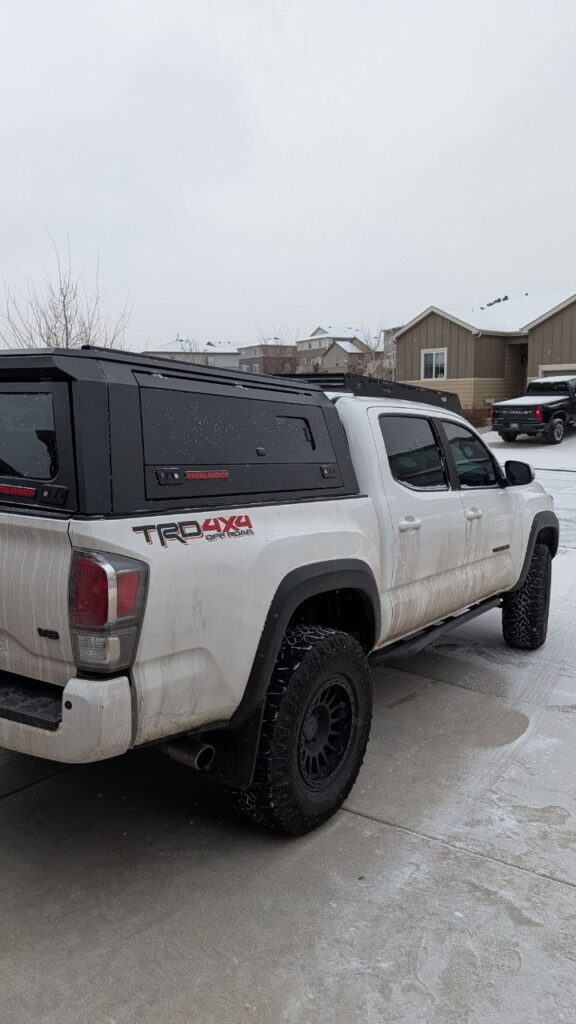
There is a large used market for truck caps in Florida, and pretending it does not exist would be dishonest. We sell new, but if you are weighing a used shell, here is how to read a listing so you do not inherit someone else's problem.
Match the truck first
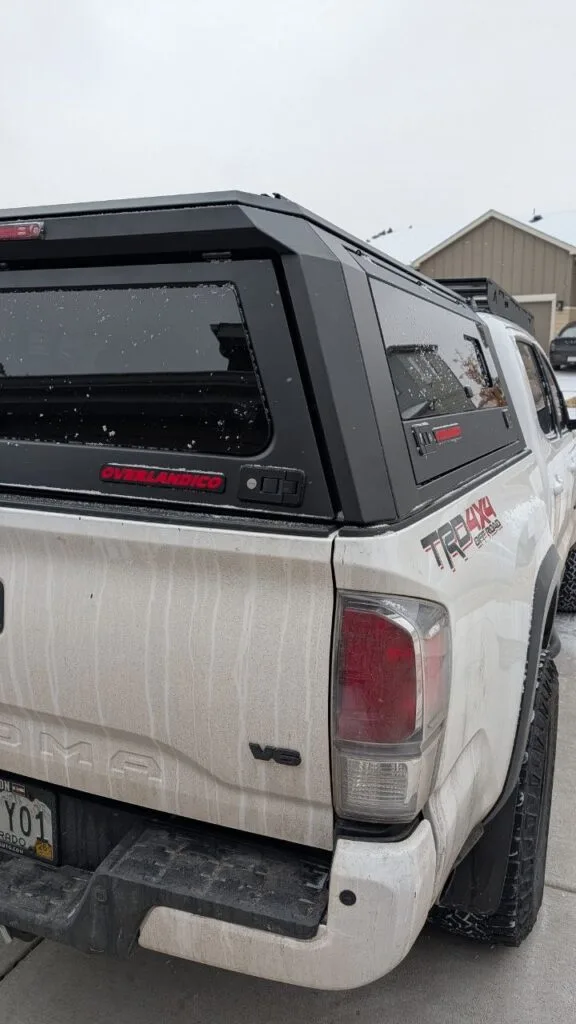
A used cap is only a deal if it fits your exact truck, generation and bed length. A cap off a different bed length will never sit right, no matter how good the price is. Confirm the donor truck before anything else.
Where hidden repairs live
On fiberglass, look hard at the corners and the mounting points for spider cracks and filler. Run your hand along the seams. Fresh paint on one panel usually means a repair underneath. On any cap, check that the glass, locks and struts all still work, because those are the expensive parts to replace.
Seals and clamps
Perished weather seals and rusted or missing clamps are common on older caps and they are what let water in. Budget for new seals and hardware if the listing photos look tired. Sometimes that cost erases the savings.
When used makes sense
Used is a smart buy when the cap matches your truck exactly, the structure is sound, and you are honest with yourself about replacing seals and locks. It stops making sense when you are buying a cracked fiberglass shell that will need a repaint, or a cap that almost fits.
If you would rather skip the guesswork and start with a cap built for your truck, see what fits on Shop by Vehicle.